Skip to content

Updates

Product news, application notes and practical guidance for portable sludge measurement in water and wastewater treatment.

PMA colleagues reviewing results on a tablet at a treatment works
MLSS · WasteWater

Sludge-Test Shift Handovers: Keeping Results Comparable

A sludge-test handover should let the next operator understand what was sampled, how it was tested and what still needs reviewing. A concentration value without its location or method leaves important questions unanswered.

PMA colleagues reviewing sampling information beside a circular treatment tank
MLSS · WasteWater

SBR Sludge Checks: Making the Sampling Phase Consistent

For a sequencing batch reactor, a useful sludge-test record needs more than a clock time. Identify the operating phase when the sample was collected so the next result can be compared on a like-for-like basis.

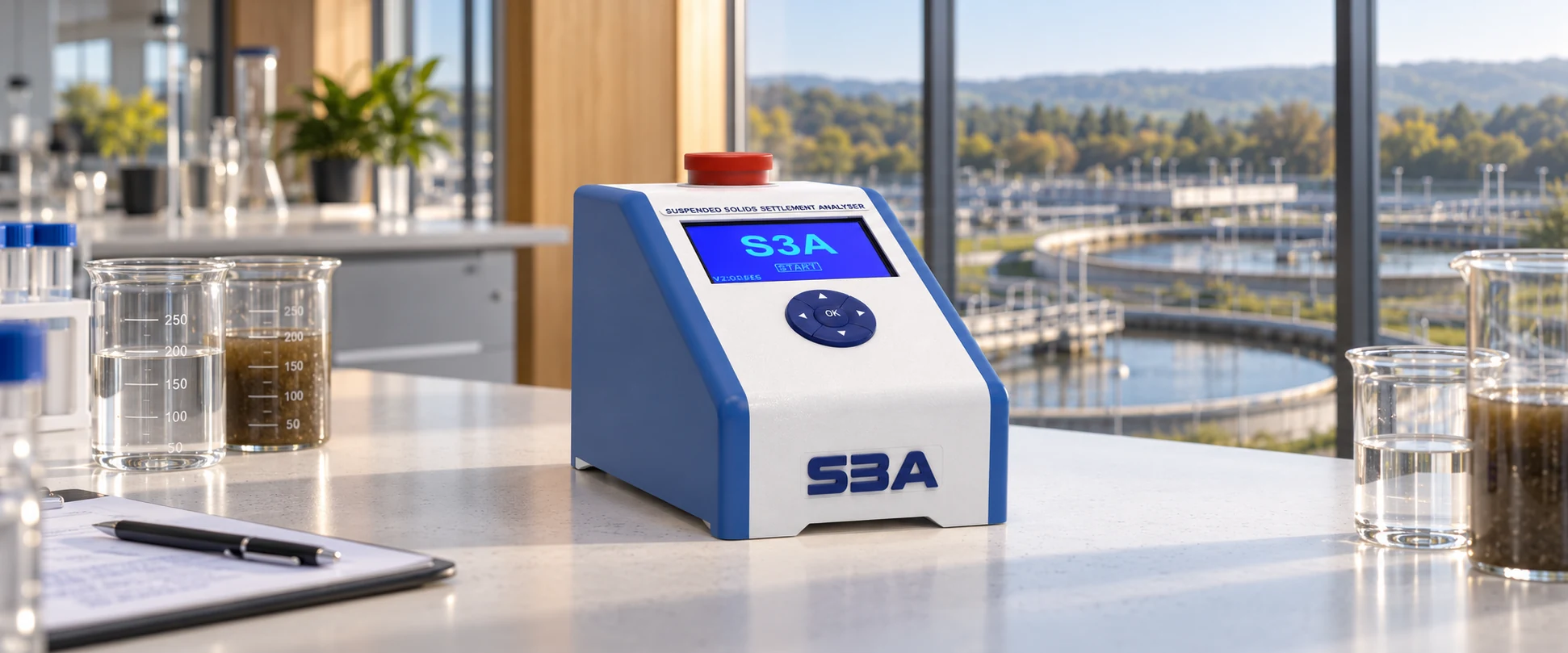
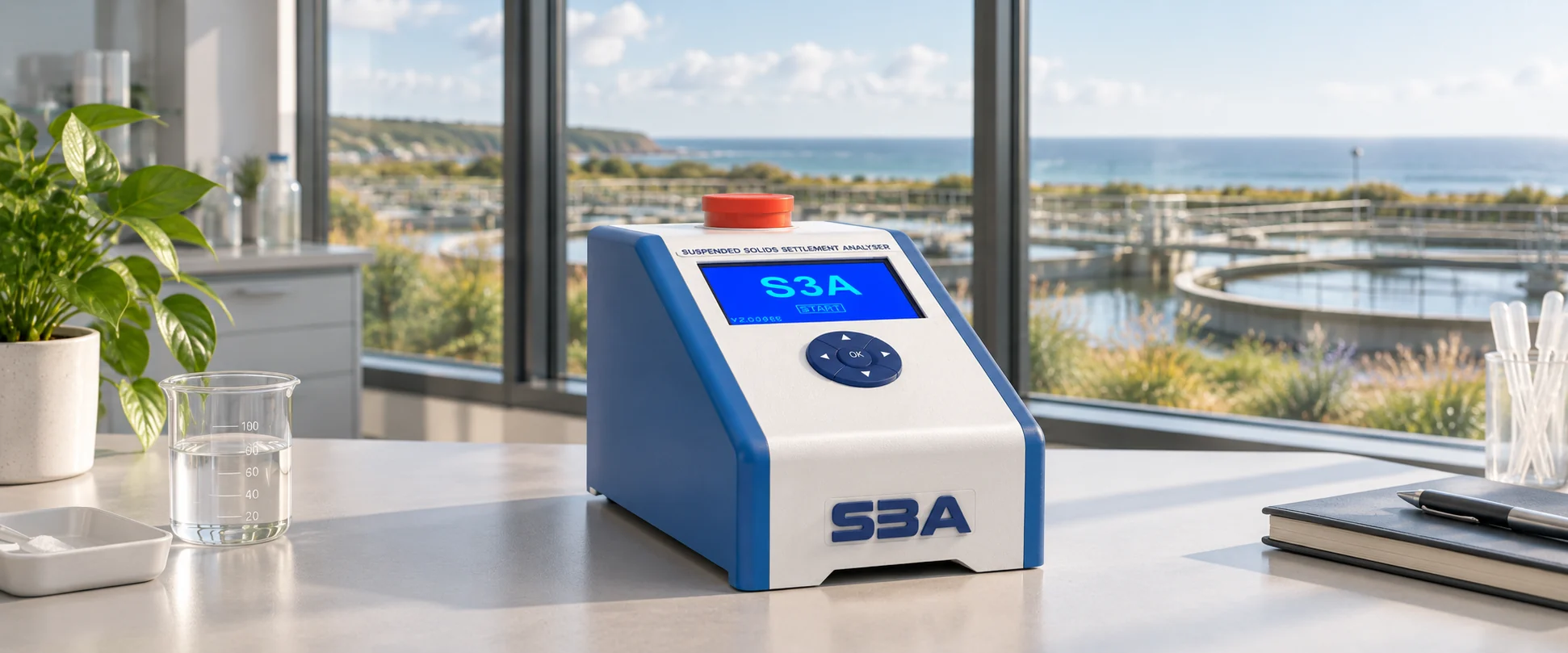
S3A analyser on a treatment laboratory bench overlooking coastal wastewater basins
MLSS · WasteWater

MLSS and Final-Effluent TSS: Choosing the Right Measurement Point

Before selecting a suspended solids analyser, define the sample and the question. Checking mixed liquor in a biological reactor is a different task from testing suspended solids in final effluent. A shared concentration unit does not make the results interchangeable.

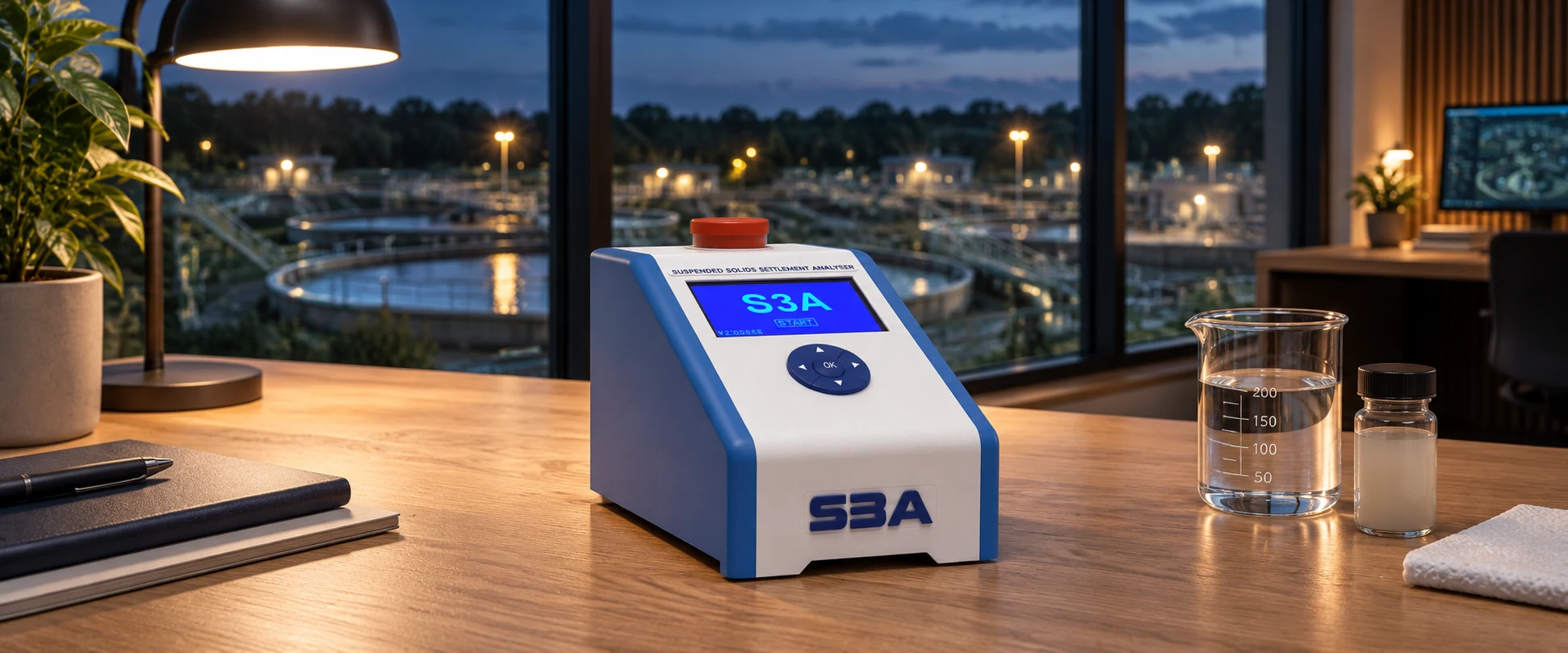
S3A analyser and laptop in a waterworks operations room at dusk
MLSS · WasteWater

Building a Useful MLSS and Sludge Settlement Trend

A sequence of sludge-test results is useful only when the readings can be compared. A change in sampling point, test timing or settlement method can interrupt that comparison, even when the instrument and units remain the same.

PMA team comparing notes and a tablet beside a treatment plant
MLSS · WasteWater

SV30 vs SVI: Settled Sludge Volume Explained

SV30 and SVI both come from a 30-minute activated-sludge settlement test, but they are not the same result. SV30 records the settled volume; SVI relates that volume to the MLSS concentration.

PMA colleagues discussing work inside a water-treatment facility
MLSS · WasteWater

SVI vs SSVI: Stirred and Unstirred Sludge Volume Index

SVI and SSVI both relate settled sludge volume to mixed liquor suspended solids, but they are produced under different test conditions. SVI is unstirred; SSVI uses controlled gentle stirring during settlement.

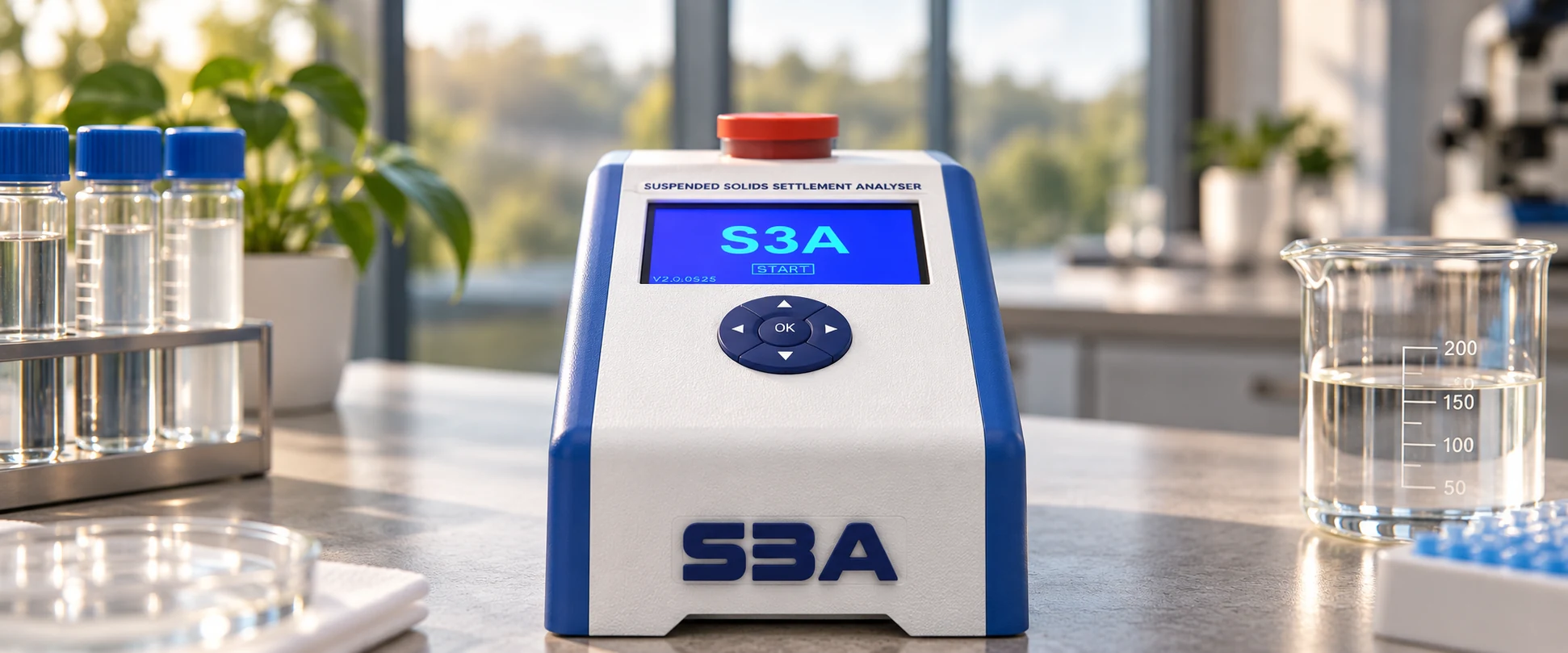
Front view of an S3A analyser on a laboratory worktop
MLSS · WasteWater

Floating Sludge During a Settlement Test: What to Record

Floating sludge during or after a settlement test is a useful observation, but it is not a diagnosis on its own. Record when it appeared, how much was present and what happened elsewhere in the sample.

PMA colleagues reviewing a tablet beside water-treatment tanks
MLSS · WasteWater

High Sludge Volume Index (SVI): What the Result Can Indicate

A high Sludge Volume Index (SVI) means the settled sludge occupies more volume for each gram of mixed liquor suspended solids after the defined settlement test. It can indicate poorer settling or compaction, but the number does not identify the cause by itself.

PMA colleagues reviewing equipment and a tablet beside treatment tanks
MLSS · WasteWater

Portable vs Online Suspended Solids Analysers

A suspended solids analyser can be portable and sample-based, or installed online for continuous measurement. The right format depends on the process question, sampling point and action the result needs to support.

START WITH YOUR APPLICATION

Clearer process checks start with a conversation.

Tell us about your treatment process and the measurements you need. We will help you assess whether S3A is suitable.

Talk to PMA
PMA colleague assisting customers from the office, with colleagues working nearby